Shipment tracking: how to follow your cargo
A tracking number does not tell the whole story. Knowing which document to check, and when, prevents most pointless calls.
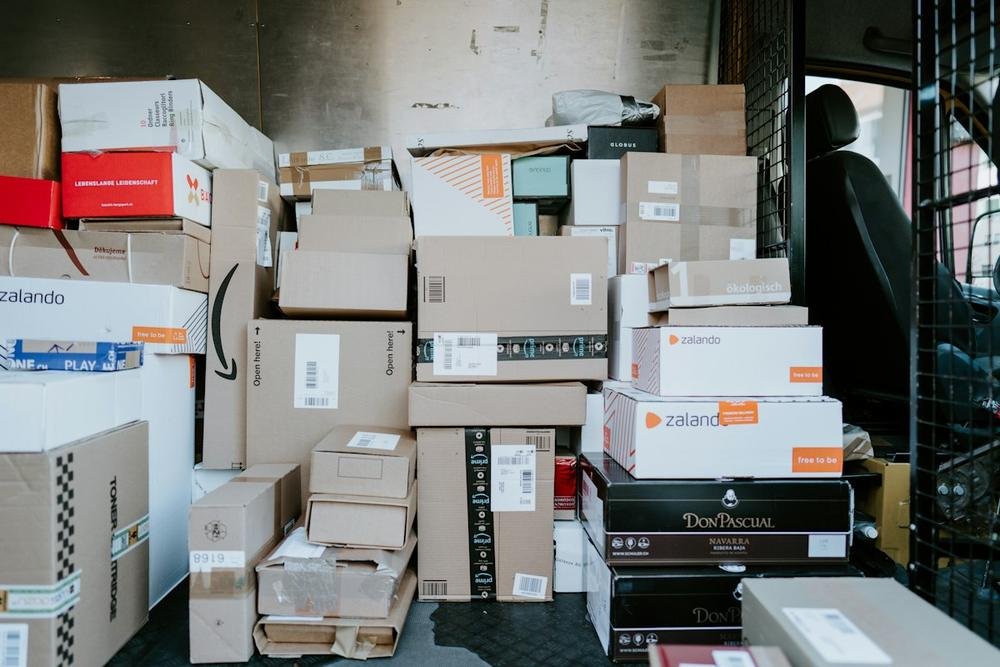
“Where is my shipment?” is the most frequent question in logistics, and often the worst framed: the status displayed by a carrier does not always match the physical reality of the goods.
The right number for each mode
- Sea: container number (four letters, seven digits) or bill of lading number
- Air: air waybill number, eleven digits
- Road: consignment note (CMR) and package number
- Groupage: the consolidator’s lot reference
The milestones that matter
Useful tracking does not list twenty technical statuses: it answers four questions. Has the goods been loaded? Has the vessel arrived? Has the file been submitted to customs? Is delivery scheduled?
Why “in transit” sometimes lasts
An unchanged status is not necessarily a fault: a sea crossing, a transhipment, waiting for a berth or a documentary check can hold a shipment without any event being published. This is exactly where a contact who follows the file makes the difference.
Anticipate rather than observe
Clearance is prepared before arrival: documents gathered, classification validated, duties estimated, delivery capacity booked. A passively tracked shipment always costs more than a prepared one.
The best tracking remains a complete file and a contact who answers the phone.